How to Increase Inbound Leads: 11 Strategies That Work


When you’re trying to fill your sales pipeline with qualified prospects without the constant grind of cold calling, you’re probably needing an inbound lead generation strategy. Unlike outbound techniques that interrupt potential customers, inbound marketing attracts prospects who are already interested in solutions like yours.
Keep reading this article if you want to know how to get inbound leads efficiently through proven. From content optimization to specialized tools, you'll discover actionable tactics to increase inbound leads and transform your marketing approach.
Spoiler alert: one of the methods we’ll cover will be Zeeg scheduling tool—a great way to get more inbound leads through the most advanced and automated scheduling.
What are inbound leads?
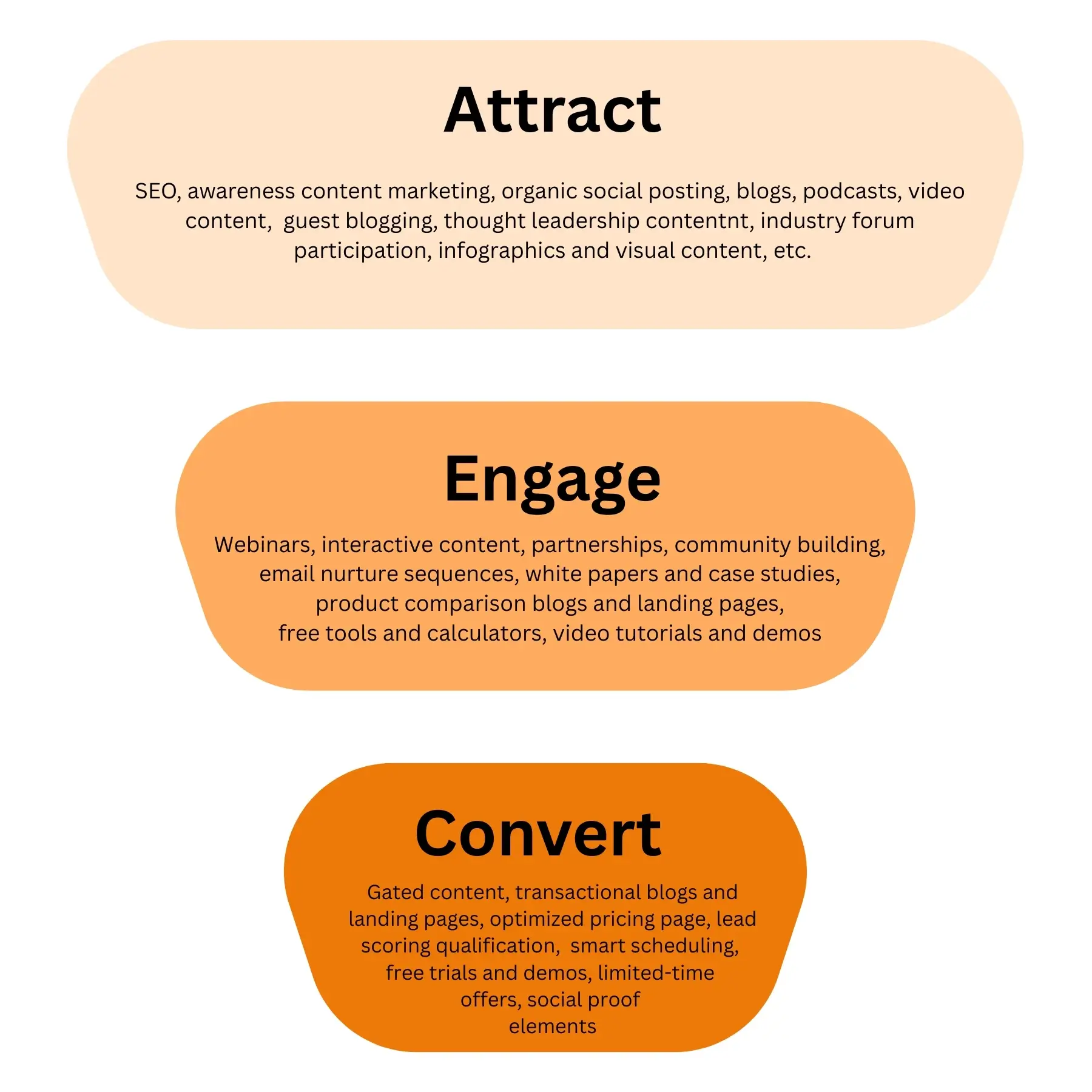
Essentially, inbound leads are potential customers who discover your business through content and experiences you've created. They get in touch with you proactively.
And they can do that through content downloads, pricing requests, demo bookings, newsletter sign-ups, etc. Instead of you getting in touch with them (outbound), they’re the ones coming to your business.
And why do they matter the most? Because there’s an inherent interest in your solutions. When someone finds your business through a search for information related to their problems or missing pieces, they're already partway through the buying journey. They’re likely to know what they need, and they’ve found your business. So, this initial interest means that inbound leads usually convert better than outbound leads, with less resistance during the sales process.
11 strategies to increase inbound leads
Now that we understand what these incoming leads are and why they're important, let's get to some specific strategies to generate more inbound leads for your business.
1. Optimize your content marketing strategy
Content marketing is an important pillar of successful inbound lead generation. You should create valuable, relevant content that targets (and solves) your audience's pain points. That’s how you attract potential customers. Yet, not all content performs equally well at generating inbound leads.
To optimize your content marketing results, do the following:
- Identify top-performing content: Review your analytics to determine which blog posts, guides, or resources are generating the most traffic and leads. These pieces offer clues about what resonates better with your audience.
- Create content for each stage of the buyer's journey: Develop awareness content to educate your prospects about their problems; consideration (commercial investigation) content that explores potential solutions, and decision-stage (or transactional) content that helps them choose between options.
- Focus on search intent: Align your content with what users are actually searching for. Tools like SEMrush or Ahrefs can help identify high-value keywords and the search intent behind them. SEO tactics can also play a big part here.
- Update existing content: Rather than constantly creating new pieces, refresh your highest-performing content regularly to maintain relevance. And search rankings, of course.
For example, if you notice a blog post about scheduling best practices consistently drives traffic, consider:
- Creating a downloadable template that visitors can access by sharing their contact information—instantly transforming casual readers into inbound leads.
- Updating that post every quarter to make sure it’s fresh
- Creating (and link to) a targeted landing page that drives your traffic to a more transactional place
2. Implement Search Engine Optimization (SEO)
SEO remains one of the most reliable methods to get inbound leads. When potential customers search for solutions to their problems, appearing in those search results on engine like Google or Bing puts your business directly in their path.
According to recent marketing research, SEO remains one of the highest ROI marketing channels for businesses. With SEO generating a 14.6% lead close rate compared to just 1.7% for outbound techniques¹, investing in search visibility clearly pays off. No doubts on that. Especially because this is a long-term strategy that works in the long run with less investment—once you create an important SEO optimized piece, it might stay on Google for years.
To strengthen your SEO strategy:
- Conduct thorough keyword research: Identify terms your target audience uses when searching for solutions like yours. Focus on a mix of high-volume keywords and more specific long-tail phrases that indicate purchase intent.
- Optimize technical elements: Ensure your site loads quickly, works well on mobile devices, and has a clear structure that search engines can easily crawl and understand.
- Build quality backlinks: Earn links from reputable sites in your industry through guest posting, creating valuable resources, or partnering with complementary businesses.
- Incorporate E-E-A-T principles: Focus on demonstrating Experience, Expertise, Authoritativeness, and Trustworthiness in your content—factors Google increasingly values when determining rankings.
Again, remember that SEO is a long-term strategy. While it may take months to see results, the compound effect of consistent optimization can bring you lots of inbound leads.
3. Host webinars and virtual events
Webinars and virtual events have become powerful tools for inbound lead generation, with many webinar attendees entering the sales pipeline as qualified leads. These events allow you to showcase your expertise while collecting valuable contact information from participants.
Here’s some advantages of doing this:
- Direct engagement: You interact with prospects in real-time through polls, Q&A sessions, and chat features.
- Valuable insights: It’s a great opportunity to learn about audience pain points and preferences through their questions and engagement.
- Content repurposing: Record your webinars to create additional content like blog posts, social media clips, and email campaigns.
To maximize inbound leads from webinars:
- Choose topics that address specific pain points of your target audience
- Promote your events across multiple channels, including email, social media, and, of course, your website
- Request essential contact information during registration, but keep forms concise to minimize friction
- Follow up promptly with attendees and no-shows alike, providing recordings and additional resources
Regular webinars establish your company as a thought leader, while they’ll generate new inbound leads. It has the potential for some snowball effect, as it can lead to more engagement on social media (like Linkedin), SEO results, AI search, etc.
4. Leverage social media marketing
This one was predictable, but let’s still drill down on it. Social media remains a critical channel for marketers, with platforms like Facebook, Instagram, and YouTube being among the most utilized. Nonethless, effective social media lead generation requires more than simply posting content and hoping for the best.
LinkedIn is very effective for B2B lead generation, with 89% of B2B marketers using the platform for this purpose². So, in order to generate more inbound leads through social media, here’s a few tips:
- Create platform-specific content: Tailor it to each platform's unique audience and format expectations rather than posting identical content everywhere. Linkedin, Instagram or TikTok ask for completely different kind of content.
- Engage authentically: Go to relevant conversations, respond to comments, and build relationships rather than simply broadcasting messages. Doing this on Reddit is also a good way to go, since we’re talking about this.
- Leverage employee advocacy: Encourage team members to share company content with their networks, which will expand your organic reach.
- Consider micro-influencers: Partner with niche influencers whose audiences align with your target customers. Many marketers find that micro-influencers (between 10,000-99,999 followers) provide strong engagement and authenticity for their campaigns.
- Listen to your audience: Use social listening tools to monitor conversations about your industry, brand, and competitors to identify opportunities for engagement and content creation.
5. Implement lead scoring and qualification
Inbound leads are important, but here’s something important to know: not all of them are created equal. Some are ready to buy immediately, while others might be months away from making a decision. Lead scoring helps prioritize your efforts by assigning values to leads based on their behavior and likelihood to convert.
This strategy is essential for businesses dealing with high lead volumes, as it ensures your team focuses on the most promising prospects. To implement lead scoring effectively:
- Define your ideal customer profile: Establish clear criteria for what makes a high-quality lead for your business.
- Assign point values to different actions: Score behaviors like website visits, content downloads, webinar attendance, and email engagement according to how strongly they indicate purchase intent.
- Consider demographic and firmographic factors: Assign points based on how well a lead matches your target audience in terms of industry, company size, job title, or other relevant characteristics.
- Set thresholds for qualification: Determine the score at which a lead should be passed to sales or entered into specific nurturing campaigns.
For example, someone who visits your pricing page multiple times, downloads a buyer's guide, and works in your target industry would receive a high score. They seem quite ready for some outreach. But someone that only read a single blog post might enter a nurturing sequence designed to build more interest over time. Makes sense, right?
By having a good lead qualification system, you can improve conversion rates and ensure your sales team spends time on prospects most likely to become customers.
6. Create gated content and lead magnets
One of the most direct ways to get more inbound leads is through valuable content that you can offer in exchange for their contact information. Gated content, so to say. These resources require a form submission to be accessed—and might convert anonymous visitors into identifiable leads.
Some of these lead magnets can be:
- Ebooks and whitepapers: In-depth resources that showcase your expertise and provide comprehensive information on industry topics.
- Templates and tools: Practical resources that help prospects solve specific problems or streamline processes.
- Industry reports and original research: Unique data and insights that aren't available elsewhere.
- Checklists and worksheets: Quick-reference materials that simplify complex processes.
The key to successful lead magnets is ensuring the perceived value exceeds the "cost" of sharing contact information. To maximize conversions:
- Create content that addresses specific pain points in your buyers' journey
- Design professional-looking resources that reflect your brand quality
- Use concise forms that request only essential information
- Clearly communicate the value proposition of your offer
- Test different types of content to see what resonates best with your audience
For instance, if you're targeting marketing professionals, a template for creating monthly performance reports might be more effective than a generic industry overview, as it provides immediate practical value.
7. Enhance your website conversion paths
You should always treat your website as the central hub for your inbound lead generation. Optimizing conversion paths—the routes visitors take from first landing on your site to becoming leads—can really increase your inbound lead flow. So, to improve website conversion, consider these ideas:
- Implement clear calls-to-action (CTAs): Place compelling CTAs strategically throughout your site, using action-oriented language and contrasting colors to grab attention.
- Optimize landing pages: Create dedicated pages for specific offers with focused messaging and minimal distractions. Research shows that businesses with multiple dedicated landing pages generate significantly more leads than those with just a few pages.
- Simplify forms: Request only essential information to reduce friction. Consider progressive profiling, where you collect additional details over time rather than all at once.
- Use exit-intent popups: Capture visitors who are about to leave with a timely, relevant offer.
- Add live chat or chatbots: Engage visitors in real-time conversations that can answer questions and guide them toward conversion.
- Implement A/B testing: Continuously test different elements like headlines, form fields, CTA placement, and page design to identify what drives the highest conversion rates.
8. Build strategic partnerships and co-marketing
Collaborative marketing efforts allow you to tap into established audiences and generate inbound leads through association with trusted brands. Strategic partnerships expand your reach while adding credibility through alignment with respected companies.
Some possible partnership strategies:
- Co-created content: Develop joint webinars, research reports, or ebooks with complementary businesses that target similar audiences.
- Guest blogging: Contribute high-value content to industry publications or partner websites, including calls-to-action that direct readers back to your site.
- Referral programs: Establish formal arrangements where partners refer qualified leads in exchange for compensation or reciprocal referrals.
- Joint events: Host collaborative in-person or virtual events that allow both parties to showcase their expertise and collect attendee information.
- Integration partnerships: If you offer software or services, creating technical integrations with complementary tools can drive new users to your platform.
9. Optimize email marketing for lead nurturing
Email marketing remains one of the most effective channels for nurturing inbound leads and guiding them toward conversion. Email marketing remains one of the most effective channels for developing relationships with prospects over time. To use email for lead generation and nurturing, you should:
- Segment your email list: Group subscribers based on interests, behavior, industry, or stage in the buyer's journey to send more relevant messages.
- Create automated nurture sequences: Develop email series that gradually educate prospects about your solutions and guide them toward purchase decisions.
- Personalize your communications: Use the data you've collected to customize emails based on individual preferences and behavior.
- Include clear CTAs: Every email should have a specific action you want recipients to take, whether downloading content, requesting a demo, or making a purchase.
- Test and optimize: Experiment with subject lines, send times, content formats, and CTAs to improve open and click-through rates.
- Maintain regular communication: Stay top-of-mind with consistent, valuable messages rather than sporadically contacting your list.
Email nurturing is important because it keeps your relationships with leads who aren't yet ready to buy alive. But if they get there one day, they’ll remember your brand.
10. Use interactive content experiences
This might also be a good opportunity. Interactive content engages visitors more deeply than static materials. It creates experiences and memories, and gives some insight into the prospects’ interests.
Types of interactive content can be:
- Quizzes and assessments: Help users evaluate their needs or knowledge while providing personalized recommendations based on their answers.
- Calculators: Allow visitors to estimate costs, savings, or ROI related to your products or services.
- Interactive infographics: Transform complex data into engaging visuals that users can explore at their own pace.
- Surveys and polls: Gather feedback while engaging users and providing valuable data points.
- Configurators and product builders: Let prospects customize solutions to their specific needs, increasing investment in the outcome.
Interactive content typically converts significantly better than passive content due to its engaging nature. The personalized nature of the experience and immediate value provided make users more willing to share contact information in exchange for results or recommendations.
For example, a marketing agency might create a "Marketing Maturity Assessment" that evaluates a company's current practices and provides a customized improvement roadmap—available after submitting contact details.
And because this type of content is often overlooked by many (it means more effort from an ideation and execution point of view), it might make your content pick up well on search engines or other channels.
11. Implement smart scheduling systems
One often-overlooked strategy for increasing inbound leads is optimizing the appointment scheduling process.
When interested prospects want to speak with your team, any friction in booking conversations can lead to abandoned opportunities. No one wants those long email chains to decide a meeting time—the manual process wastes everyone’s time, and your leads might just drop before you book the meeting.
Smart scheduling systems like Zeeg solves that problem by:
- Putting an end to back-and-forth emails: Prospects can instantly book time 24/7 with the right team member based on mutual availability.
- Qualifying leads automatically: You can add pre-meeting qualifying questions that gather essential information before conversations occur.
- Reducing response time: Automated booking ensures immediate confirmation rather than waiting for manual responses.
- Routing leads appropriately: Lead routing systems direct prospects to the most relevant sales representative based on factors like territory, industry, or company size.
- Improving show rates: Automatic reminders and easy rescheduling options decrease no-shows.
The truth is: implementing streamlined scheduling can significantly increase lead conversion rates. When prospects are ready to talk, making that conversation happen quickly and easily significantly improves conversion opportunities.
What’s better—Zeeg's scheduling platform integrates seamlessly with your calendar tools, with your website, your CRM, etc etc. Your prospects can book meetings with you easily, based on your actual availability, and you capture important qualification data right away. And the system can also implement round-robin distribution to ensure equitable lead allocation among team members.
Advanced inbound lead generation tactics
Beyond the fundamental strategies we've covered, several advanced tactics can further enhance your ability to generate inbound leads. These approaches often require more sophisticated implementation but can deliver significant results.
Develop a community engagement strategy
Building a community around your brand creates a powerful engine for inbound lead generation. When prospects engage with your community, they develop stronger connections with your brand and are more likely to consider your solutions when ready to buy.
Effective community-building tactics include:
- Creating private groups or forums: Establish spaces where prospects and customers can connect, share insights, and solve problems together.
- Hosting regular community events: Schedule recurring meetups, Q&A sessions, or networking opportunities that provide value beyond your products.
- Developing user-generated content initiatives: Encourage community members to share their experiences, tips, and success stories.
- Recognizing community contributors: Highlight active participants and their contributions to foster continued engagement.
- Providing exclusive resources: Offer community members special access to content, tools, or early product features.
Communities work because they tap into people's desire for connection and belonging. Rather than just selling to prospects, you're inviting them into a valuable network that continues providing benefits whether they purchase immediately or not.
Companies that invest in community building often see improvements in both customer retention and lead generation. These dual benefits make community engagement a particularly valuable long-term investment.
Implement account-based marketing (ABM)
Account-based marketing flips the traditional inbound model by focusing on specific high-value target accounts rather than casting a wide net. This targeted approach can be particularly effective for B2B companies with clearly defined ideal customer profiles.
To implement ABM effectively:
- Identify target accounts: Select specific companies that match your ideal customer profile and represent significant revenue potential.
- Research key stakeholders: Map the decision-makers and influencers within each account.
- Create personalized content: Develop materials specifically addressing the challenges and opportunities facing these accounts.
- Coordinate marketing and sales efforts: Ensure both teams are aligned on targeting the same accounts with consistent messaging.
- Execute multi-channel campaigns: Reach stakeholders through coordinated efforts across email, advertising, social media, direct mail, and other channels.
- Measure account-level engagement: Track how target accounts interact with your brand across various touchpoints.
While traditional inbound marketing focuses on attracting a large volume of leads and then qualifying them, ABM starts with pre-qualified accounts and works to engage them specifically. Companies using account-based marketing often see significant increases in revenue from their marketing efforts.
This approach works particularly well when combined with traditional inbound tactics, as targeted accounts can still discover your content organically while also receiving personalized outreach.
Measuring and optimizing your inbound lead generation efforts
Implementing inbound lead generation strategies is just the beginning. To continuously improve results, you need to measure performance and make data-driven optimizations.
Key metrics to track
Monitor these essential metrics to evaluate your inbound lead generation effectiveness:
- Lead volume: The total number of leads generated through inbound channels.
- Channel performance: Which sources (organic search, social media, email, etc.) drive the most leads.
- Conversion rates: The percentage of visitors who become leads across different pages and offers.
- Lead quality: The percentage of leads that qualify for sales outreach.
- Cost per lead: The average investment required to generate each lead.
- Lead-to-customer conversion rate: The percentage of leads that ultimately become customers.
- Customer acquisition cost (CAC): The total cost of acquiring a new customer through inbound channels.
- Customer lifetime value (CLV): The total revenue generated by an average customer over their relationship with your business.
- Return on investment (ROI): The overall return generated by your inbound marketing investment.
Top tip: Consider centralizing cross-channel metrics under unified marketing analytics dashboards. Specialized platforms like HubSpot Marketing Analytics unify marketing data to track performance across all buyer journey states and measure how each distinct touchpoint contributes to your overall goals. Such tools also analyze CRM sales data to quantify how all marketing channels work together to drive actual revenue. But above all — track all metrics consistently over time, establishing baselines and setting improvement targets; and use this data to inform strategic decisions about where to focus your efforts and resources.
Continuous improvement through testing
Successful inbound marketers never stop testing and optimizing their approach. Implement a culture of continuous improvement by:
- Running A/B tests: Compare different versions of landing pages, emails, CTAs, and other elements to identify what performs best.
- Testing new channels and tactics: Allocate a portion of your budget to experimenting with emerging platforms and strategies.
- Refining audience targeting: Continuously update your buyer personas based on new data about your most successful customers.
- Optimizing conversion paths: Analyze where prospects drop off in your funnel and test improvements to those stages.
- Soliciting direct feedback: Ask leads and customers about their experience with your content and conversion process.
Remember that optimization is an ongoing process, not a one-time project. Small, incremental improvements compound over time to create significant results.
Common inbound lead generation challenges and solutions
Even the most well-designed inbound lead generation strategy will face obstacles. Here are some common challenges and practical solutions to overcome them:
Challenge: Generating enough high-quality content
Creating a consistent stream of valuable content is time-consuming and resource-intensive.
Solutions:
- Repurpose existing content into different formats (turn webinars into blog posts, blog posts into infographics, etc.)
- Consider a hub-and-spoke content model where you create cornerstone pieces and multiple supporting assets
- Establish a content calendar with realistic production schedules
- Leverage user-generated content and customer stories
- Consider working with freelancers or agencies to supplement internal resources
Challenge: Standing out in a crowded market
In competitive industries, it can be difficult to differentiate your content and offers.
Solutions:
- Focus on specific niches or underserved segments within your market
- Develop a unique point of view or methodology that sets your approach apart
- Showcase original research or data not available elsewhere
- Tell authentic stories about customer success and transformation
- Create content in formats your competitors aren't utilizing
Challenge: Converting traffic to leads
You might attract substantial traffic but struggle to convert visitors into leads.
Solutions:
- Audit your CTAs and landing pages for clarity and compelling value propositions
- Test different lead magnet formats to find what resonates with your audience
- Implement exit-intent popups with high-value offers
- Add live chat to engage visitors proactively
- Use heat mapping tools to identify where visitors focus their attention
- Consider using the right tools to optimize your ead qualification process to ensure you're attracting the right audience
Challenge: Long sales cycles
B2B products and services often have extended sales cycles that require nurturing leads over months.
Solutions:
- Develop content specific to each stage of the buyer's journey
- Implement lead scoring to identify when prospects are ready to advance
- Create automated email nurture sequences for different buyer personas and stages
- Use retargeting ads to stay visible to prospects between direct interactions
- Establish regular check-in points and value-added touchpoints throughout the sales process
Challenge: Aligning marketing and sales
Without proper alignment between marketing and sales teams, even qualified inbound leads may not convert efficiently.
Solutions:
- Establish shared definitions of lead stages and qualification criteria
- Create a formal service level agreement (SLA) between marketing and sales
- Implement regular feedback loops where sales provides insights on lead quality
- Use lead management software that can provide visibility to both teams
- Conduct joint meetings to review performance and align on strategy
Integrating inbound and outbound approaches
While inbound lead generation offers many advantages, the most effective strategies often combine inbound and outbound approaches. This integrated approach allows you to proactively reach target accounts while still attracting organic interest.
Effective integration strategies include:
- Using inbound content to warm up outbound prospects: Share valuable resources in outbound emails rather than immediately pushing for meetings.
- Retargeting website visitors with ads: Reconnect with people who consumed your content but didn't convert.
- Implementing sales enablement: Equip your sales team with inbound content they can share during outbound conversations.
- Developing account-based content: Create resources specifically for target accounts that sales is actively pursuing.
- Following up with event attendees: Use outbound outreach to continue conversations with people who engaged with your inbound content.
Companies that integrate inbound and outbound approaches typically generate more revenue than those using either strategy in isolation. This combined approach ensures you capture both active searchers and potential customers who haven't yet recognized their need for your solution.
Conclusion: building a sustainable inbound lead generation engine
Generating inbound leads is not a one-time effort but an ongoing process of attracting, engaging, and converting prospects into qualified opportunities. By implementing the strategies outlined in this guide, you can create a sustainable engine that consistently delivers high-quality leads to your sales team.
Remember these key principles as you develop your inbound lead generation approach:
- Start with your audience: Deeply understand your ideal customers' challenges, questions, and preferences to create content and experiences that resonate.
- Provide genuine value: Focus on helping prospects solve problems rather than simply promoting your products.
- Optimize the entire funnel: Pay attention to each stage from initial awareness through qualification and conversion.
- Measure and iterate: Use data to continuously refine your approach and improve results over time.
- Integrate with sales: Ensure smooth handoffs and consistent experiences as leads transition from marketing to sales.
With patience and persistence, inbound lead generation can transform your business, reducing reliance on cold outreach while attracting prospects who are already interested in what you offer. The result is a more efficient sales process, higher conversion rates, and sustainable growth.
If you're looking to streamline your lead capture process, consider how Zeeg's scheduling platform can help convert more inbound leads by making it easy for prospects to book time with your team. By removing friction from the scheduling process, you can significantly increase the percentage of leads that advance to sales conversations.
Sources:
Zeeg is Europe's leading AI voice agent and appointment scheduling software in one solution — GDPR-compliant, made in Germany. Start for free →