Again a Missed Appointment? Here's How to Reduce No-Show


Missed appointments cost service providers billions of dollars annually, disrupting schedules and quietly draining revenue. Whether you're facing client no-shows in a consulting practice or last-minute cancellations at a salon, learning how to reduce no show appointments can reshape daily operations.
This guide covers proven strategies, from automated reminders to firm cancellation policies, that keep appointments on the calendar. Confirmation calls remain one of the most effective safeguards, and that's precisely where Zeeg, Europe's leading AI voice agent and appointment booking software in one solution, GDPR-compliant and made in Germany, fits into the picture.
Get the 14-day free trial. You can also go with the free plan, yours to keep forever.
Try nowUnderstanding the no show appointment problem

A missed appointment happens when a client doesn't show up for their scheduled time without letting you know ahead of time. These no-shows create problems that go beyond just an empty slot - they hurt your revenue, waste staff time, and block other clients who could have used that appointment.
No show rates vary significantly across different industries and business types. Professional services like legal consultations and financial planning often experience lower rates, while fitness coaching and therapy appointments may see higher no show rates due to the personal commitment required.
Knowing exactly what counts as an appointment no show makes it easier to tackle the problem. There's a big difference between a no-show and a last-minute cancellation - when clients give you some heads-up, you might still have time to offer that slot to someone else.
The financial impact of client no shows
When clients don't show up, that's money straight out the door - and there's no getting it back. But the damage goes deeper than just lost revenue. Your team still has to be there, ready to work, but now they're sitting around with nothing to do.
Here's where it gets tricky: you can't just slot someone else into that empty appointment. Maybe you had blocked off extra time for a complex consultation, or you'd prepared specific materials for that client. Without advance warning, there's usually no time to fill that gap properly.
The ripple effects don't stop there either. When clients skip important follow-up sessions, they might need extra appointments later to get back on track. It's frustrating for everyone involved and can really mess with the progress you've been working toward together.
Why do clients no-show for appointments?
To prevent no-shows, you need to understand why clients miss appointments in the first place. There are several common reasons that show up consistently across different types of businesses.
Scheduling and communication barriers
Many clients miss appointments due to simple logistical issues. They forget about the appointment, especially when there's been weeks between booking and the actual date. Others run into transportation problems, work conflicts, or childcare issues that come up unexpectedly.
Communication problems between businesses and clients often lead to confusion about appointment details. Clients might not be clear on the location, what they need to bring, or how long it'll take. When people aren't sure what's expected, they sometimes choose not to show up.
Psychological and emotional factors
Some appointments make clients nervous. Whether it's a difficult conversation they've been putting off or a service that causes anxiety, some clients would rather avoid the situation entirely.
Financial concerns also contribute to client no shows. Clients might book when they're feeling good about their budget, but then worry about costs later. Instead of calling to discuss payment options, they simply don't show up.
Scheduling system challenges
When clients have to wait months for an appointment, the urgency fades. Life gets busy, priorities change, and by the time the appointment arrives, it doesn't feel as important as when they first booked.
There's also the issue of clients booking multiple appointments with different providers for the same service, then canceling others once they get what they need. While this makes sense from their perspective, it creates last-minute gaps in your schedule.
Proven strategies for how to reduce no show appointments
Reducing missed appointments takes a broad approach that covers communication, scheduling, and clear policies. The most successful businesses combine several strategies to see meaningful results.
Set up reminder systems
Automated reminders are one of the most effective ways to reduce no-shows. Businesses that use multiple reminder touchpoints often see their no-show rates drop by 30-50%.
The timing matters as much as the method. Send the first reminder about a week before the appointment, giving clients enough time to reschedule if needed. Follow up with another reminder 24-48 hours prior, and consider adding a same-day confirmation.
Text messages typically get better response rates than phone calls or emails, especially with younger clients. However, offering multiple communication options works better since clients have different preferences for how they want to be contacted.
👉 Read more on SMS in CRMs
Optimize your scheduling approach
When and how you schedule appointments directly affects attendance rates. Offering convenient times like early morning or late afternoon slots helps reduce conflicts with work schedules.
Same-day and next-day appointments usually have much better attendance rates because clients feel more urgency about recently scheduled appointments. Consider keeping some slots open for these last-minute bookings rather than scheduling everything weeks in advance.
Some businesses use strategic overbooking (scheduling slightly more appointments than they can handle) to account for expected no-shows. This approach requires careful management to avoid problems when attendance is higher than expected.
Develop clear policies with consequences
A well-designed no show appointment policy sets clear expectations for both clients and staff. Make sure these policies are communicated during scheduling and included in your client materials.
No-show fees can be effective for reducing missed appointments, but they require careful consideration of client relationships and local regulations. The policy itself often changes behavior even before fees are collected.
Consider progressive consequences for repeat offenders. First-time no-shows might receive a friendly check-in, while repeat cases could require confirmation for future appointments or face scheduling restrictions.
Focus on client education
Clients who understand why their appointment matters are more likely to attend. Take time to explain how the session fits into their goals or affects their progress.
When someone does miss an appointment, focus your follow-up on rescheduling rather than penalties. A supportive message asking about their situation while offering to reschedule shows care and encourages future attendance.
Consider creating materials that explain how missed appointments affect not just their progress, but other clients waiting for appointments. This broader perspective can help clients understand the full impact of no-shows.
What is the best approach to handling client cancellations?
When clients do cancel appointments, how you handle these situations affects both future attendance and overall client relationships. The best practices for managing cancellations focus on making rescheduling as convenient as possible while protecting business revenue.
Establish clear cancellation windows
Most effective businesses require at least 24-48 hours notice for appointment cancellations. This timeframe allows enough opportunity to reschedule other clients into the cancelled slot while providing clients reasonable flexibility for genuine emergencies. Communicating cancellation requirements clearly during initial scheduling helps set appropriate expectations. Clients should understand both the required notice period and the preferred methods for cancelling appointments.
Create efficient rescheduling processes
When clients cancel with appropriate notice, making rescheduling convenient encourages them to book a replacement appointment. Online scheduling systems that allow clients to cancel and reschedule simultaneously reduce barriers to rebooking. Staff should be trained to offer alternative appointment times immediately when clients call to cancel. Having real-time access to schedule availability helps capture rescheduling opportunities before clients change their minds.
Maintain waiting lists for cancelled appointments
Keeping organized waiting lists of clients who want earlier appointments allows businesses to fill cancelled slots quickly. When clients cancel with adequate notice, staff can immediately contact waiting list clients to offer the newly available time. Automated systems can manage waiting lists more efficiently than manual processes, sending notifications to multiple clients simultaneously when appointments become available. This approach maximizes the chances of filling cancelled slots while providing better service to clients seeking earlier appointments.
What is the best way to deal with clients who are routinely late for their appointments?
Chronic lateness presents different challenges than outright no shows, but it can be equally disruptive to business operations. Clients who consistently arrive late create scheduling backlogs that affect other clients and staff productivity.
Set clear expectations about punctuality: During appointment scheduling, staff should communicate arrival time expectations clearly. Many businesses ask clients to arrive 10-15 minutes early for check-in procedures, which helps ensure appointments start on time.
Some businesses implement policies where clients arriving more than 15 minutes late must reschedule their appointments. While this approach requires sensitivity to individual circumstances, it helps maintain schedule integrity for other clients.
Implement buffer time strategies: An effective way to deal with clients who are always late for appointments is to build buffer time into your scheduling system. This might involve scheduling known late clients earlier than their actual appointment time or building extra time between appointments to accommodate delays.
Some businesses use strategic scheduling for chronically late clients, booking them during less busy periods when delays won't affect as many other appointments. This approach requires tracking client attendance patterns to identify those who would benefit from special scheduling considerations.
Address underlying causes of lateness: Rather than simply implementing penalties, successful businesses investigate why certain clients consistently run late. Transportation issues, work schedule conflicts, or anxiety about appointments may contribute to chronic lateness.
Working with clients to identify and solve these underlying issues often proves more effective than punitive measures. This might involve offering different appointment times, providing directions and parking information, or addressing client concerns about their service experience.
Technology solutions for reducing no-shows
Advanced scheduling softwares offer powerful tools for minimizing missed appointments through automation and improved client communication. These solutions can significantly reduce the administrative burden of managing appointments while improving attendance rates.
Automated reminder systems
Reminder systems use multiple communication channels to reach clients through their preferred methods. Email reminders work well for clients who regularly check their inbox, while text messages often achieve higher response rates for urgent notifications. Automated systems can personalize reminder messages based on appointment type, client preferences, and historical attendance patterns. For example, clients with previous no shows might receive additional reminders or confirmation requests. Two-way communication features allow clients to confirm, cancel, or reschedule appointments directly through reminder messages. This convenience reduces barriers to communication while providing businesses with real-time updates about appointment status.
Online scheduling and self-service options
Clients who schedule their own appointments online often show higher attendance rates because they actively choose their preferred times rather than accepting whatever slots staff offer them. Online scheduling also allows clients to view available options and select times that work best with their schedules. Self-service rescheduling capabilities empower clients to move appointments when conflicts arise, rather than simply not showing up. When clients can easily reschedule online, they're more likely to maintain their appointment rather than miss it entirely. Integration between online scheduling systems and business management software ensures that all appointment changes sync automatically, reducing the risk of communication errors that can lead to missed appointments.
Intelligent waitlist management
Automated waitlist systems can fill cancelled appointments quickly by notifying multiple clients simultaneously when slots become available. These systems prioritize clients based on factors like appointment urgency, scheduling preferences, and historical attendance patterns. Smart waitlist management can also spot patterns in cancellations and reach out to the clients most likely to accept short-notice slots. This way, you fill more appointments while helping clients who need to get in sooner.
The role of scheduling software in preventing missed appointments
Modern appointment scheduling software provides automated scheduling tools that can significantly reduce no show appointments while decreasing the administrative burden on business staff. These systems offer features specifically designed to improve appointment attendance through better communication and client engagement.
Automated reminder workflows
Sophisticated scheduling platforms can create multi-step reminder workflows that automatically adjust based on client responses and preferences. For example, if a client doesn't respond to an initial email reminder, the system can automatically send a text message or generate a follow-up task for staff. These systems can also customize reminder content based on appointment type, client history, and business preferences. Routine consultations might receive different reminder language than important project kickoffs or services requiring specific preparation.
Two-way communication features
Advanced scheduling systems enable clients to confirm, reschedule, or cancel appointments directly through reminder messages. This convenience removes barriers to communication while providing businesses with real-time updates about appointment status. When clients can easily respond to reminders, businesses receive early warning about potential no shows, allowing time to contact clients or fill the appointment slot with someone from a waiting list.
Integration with business management systems
Scheduling software that integrates seamlessly with existing business management systems ensures that all appointment information stays synchronized. This integration reduces the risk of communication errors while providing staff with complete visibility into client appointment history and attendance patterns. Integrated systems can also automatically update client records with no show information, helping service providers understand patterns and tailor their communication strategies for individual clients.
Zeeg helps to reduce no show appointments automatically

Zeeg's modern AI voice agent and scheduling platform addresses many of the common causes of missed appointments through intelligent automation and client-friendly features. The system's automated workflow capabilities help businesses maintain consistent communication with clients while reducing the administrative burden on staff.
Intelligent reminder automation
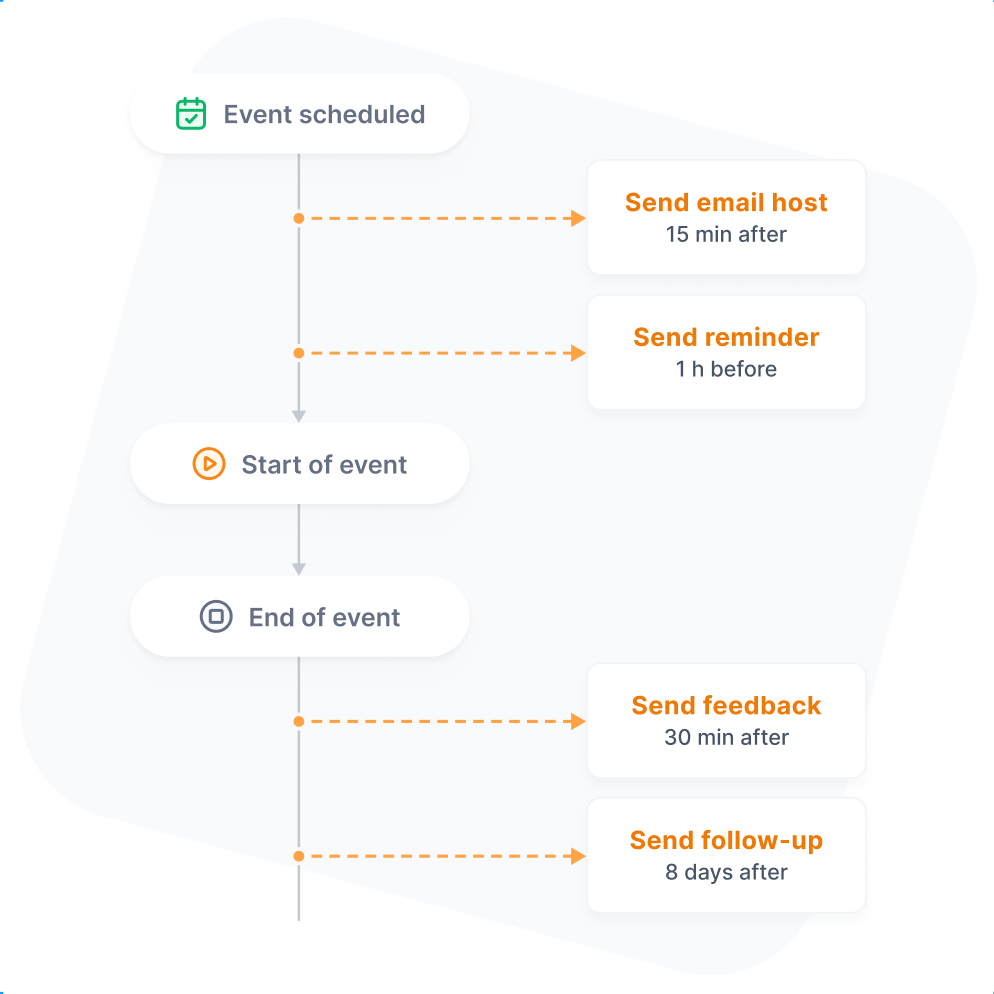
Zeeg's workflow automation helps businesses create customized reminder sequences for different types of appointments. The platform allows you to set up automated email notifications and text messages at specified intervals before scheduled meetings, reducing no-shows while keeping clients informed.
You can customize these workflows based on appointment categories - for instance, setting up more frequent reminders for important consultations while keeping routine check-ins simple. The system also enables you to create different communication templates for various service types, ensuring each client receives relevant information about their upcoming appointment.
Seamless rescheduling capabilities
When clients need to change their appointments, Zeeg makes the process simple through integrated rescheduling links in reminder messages. Clients can view available alternative times and reschedule themselves without calling the business, reducing barriers to maintaining their appointment. This self-service approach works particularly well for clients who prefer to handle scheduling changes outside of business hours or who feel uncomfortable calling during busy periods.
Comprehensive analytics and reporting
Zeeg's analytics dashboard helps businesses track their no show rates, identify patterns, and measure the effectiveness of different prevention strategies. The system provides detailed reports on appointment attendance, cancellation patterns, and communication effectiveness. These insights enable businesses to make data-driven decisions about scheduling policies, reminder timing, and resource allocation. Understanding which strategies work best for your specific client population allows for continuous improvement in attendance rates.
Smart scheduling features
Beyond basic reminders, Zeeg offers advanced scheduling features that help distribute appointments fairly and direct clients to the right team members. The round-robin functionality automatically assigns bookings among available staff members, preventing overloading of individual schedules while maintaining balanced workloads. Meanwhile, routing forms with conditional logic can qualify leads and direct them to appropriate specialists based on their specific needs, reducing mismatched appointments that often result in no-shows.
Affordable pricing
For businesses needing advanced workflow automation and analytics, the Professional plan costs €10/month per user (billed annually) or €12/month (billed monthly). Teams requiring collaborative scheduling features like round-robin distribution and routing forms can upgrade to the Business plan at €16/month per user (billed annually) or €20/month (billed monthly).
All paid plans can be tested with a 14-days free trial.
Get the 14-day free trial and try automated scheduling. You can also go with the free plan, yours to keep forever.
Try nowMeasuring and monitoring your no show rate
Tracking no show appointments systematically provides the data needed to evaluate prevention strategies and identify trends that might indicate underlying issues with your scheduling system.
Calculating your baseline no show rate
To effectively reduce no shows, businesses first need to understand their current performance. Calculate your no show rate by dividing the number of missed appointments by the total number of scheduled appointments over a specific period, then multiply by 100 for a percentage. Track no show rates separately for different appointment types, service providers, and client demographics to identify patterns. Morning appointments might have different no show rates than afternoon slots, and new clients might miss appointments at different rates than established clients.
Identifying patterns and trends
Regular analysis of no show data helps identify factors that correlate with missed appointments. Certain days of the week, times of day, or appointment types might consistently show higher no show rates, suggesting opportunities for targeted interventions.
Client-specific patterns also provide valuable insights. Clients with multiple previous no shows might benefit from additional reminder calls or scheduling restrictions, while first-time clients might need extra support and information to ensure attendance.
Setting realistic improvement goals
While completely eliminating no shows isn't realistic, most businesses can achieve significant improvements through consistent application of prevention strategies. Setting achievable targets, such as reducing no show rates by 25% over six months, provides motivation while acknowledging that some missed appointments will always occur. Regular monitoring allows businesses to adjust strategies based on what works best for their specific client population and business characteristics. What works for one business might not be as effective for another, making ongoing measurement essential for success.
Industry-specific strategies for reducing no-shows
Different service industries face unique challenges with missed appointments, requiring tailored approaches to minimize no shows effectively.
Professional services and consulting
Professional service providers often struggle with routine appointment no shows because clients may not perceive immediate urgency for certain consultations or follow-up meetings. Effective strategies include emphasizing the value of regular consultations during client education and using progress tracking approaches that help clients understand the connection between consistent meetings and achieving their goals.
Offering flexible consultation formats, such as phone calls or video meetings alongside in-person appointments, can reduce no shows by accommodating client preferences and removing barriers to attendance.
Personal care and wellness services
Beauty salons, spas, and wellness centers face particular challenges with missed appointments because their services often involve significant preparation time and resource allocation. Pre-appointment communications that confirm specific services and preparation requirements help ensure clients are ready and committed to attending.
Offering package deals or membership programs can increase client commitment to keeping appointments, as clients have a financial investment in maintaining their service relationship.
Fitness and coaching services
Personal trainers and coaches often experience higher no show rates due to the personal commitment required for these services. Creating accountability partnerships between clients or offering group session alternatives can help maintain momentum when individual motivation wanes.
Flexible rescheduling policies that accommodate busy schedules while maintaining consistency help clients stay engaged with their fitness or coaching programs rather than abandoning them entirely when conflicts arise.
Legal and financial services
Professional services like legal consultations and financial planning typically have lower no show rates due to higher perceived value and longer appointment lead times. However, missed appointments in these settings can be particularly costly due to extended consultation periods and preparation requirements.
Preparation checklists and pre-consultation communications help ensure clients understand what documents or information they need to bring, reducing the likelihood that they'll postpone appointments due to lack of preparation.
What to say when you miss an appointment: Communication strategies
When clients do miss appointments, how businesses respond affects both the immediate situation and future attendance patterns. Effective communication strategies focus on understanding rather than punishment while encouraging clients to reschedule promptly.
Immediate follow-up protocols
Contacting clients shortly after a missed appointment shows concern for their wellbeing while providing an opportunity to reschedule. The initial message should express concern about their absence and offer to help reschedule rather than focusing on the inconvenience caused to the business. Staff should be trained to ask about barriers that prevented attendance, such as transportation issues, work conflicts, or personal emergencies. Understanding these factors helps businesses address underlying problems while demonstrating genuine care for client circumstances.
Crafting effective no show appointment messages
A no show appointment message should balance accountability with compassion. The message might acknowledge that emergencies happen while emphasizing the importance of the missed appointment for the client's goals or progress. Effective messages include clear instructions for rescheduling and provide multiple contact options to accommodate different client preferences. Some clients prefer phone calls, while others respond better to text messages or emails.
What to say to no-show clients often depends on your business type and client relationship. A supportive approach that focuses on problem-solving rather than blame typically yields better results for long-term client retention.
Building long-term client relationships
Rather than treating missed appointments as isolated incidents, successful businesses view them as opportunities to strengthen client relationships. Understanding why clients miss appointments and working collaboratively to prevent future no shows demonstrates commitment to client success beyond the immediate service encounter.
This approach often yields better long-term results than punitive measures, as clients appreciate businesses that work with them to overcome scheduling challenges rather than simply imposing fees or restrictions.
Implementing a no show appointment policy
A well-designed policy provides clear guidelines for both clients and staff while ensuring consistent handling of missed appointments across the business. Effective policies balance accountability with understanding, recognizing that legitimate emergencies do occur.
Essential policy components
Every no show appointment policy should clearly define what constitutes a missed appointment, including specific timeframes and communication requirements. Clients should understand exactly how much notice is required for cancellations and what happens when they fail to provide adequate notice.
The policy should outline any fees associated with no shows, including amounts, payment methods, and circumstances where fees might be waived. Financial policies must comply with local regulations and consumer protection requirements while being clearly communicated to clients.
Communication and enforcement strategies
Clients should receive copies of the no show appointment policy during onboarding and be reminded of key points when scheduling appointments. Staff training ensures consistent policy application while maintaining positive client relationships.
Documentation requirements help businesses track policy enforcement and identify clients who might benefit from additional support rather than continued penalties. Some clients need help understanding scheduling systems rather than punishment for missed appointments.
Regular policy review and updates
No show appointment policies should be reviewed regularly to ensure they remain effective and appropriate for the business's client population. Changes in client demographics, appointment types, or community circumstances might require policy adjustments.
Gathering feedback from both clients and staff helps identify areas where policies might be too rigid or too lenient. The goal is creating guidelines that support both business operations and positive client relationships.
Special considerations for different service industries
Various service industries face unique challenges in how to reduce no shows based on their client types, appointment structures, and business models.
Consulting and professional services
Consulting businesses often deal with busy executive clients who may face last-minute schedule changes. Offering flexible rescheduling options and maintaining clear communication about meeting importance can help maintain attendance rates.
Project-based consulting may require series of appointments, making it essential to emphasize how missed sessions can delay overall project timelines and outcomes.
Personal care and beauty services
Salons, spas, and personal care providers face particular challenges because their services often require significant preparation time and product allocation. Clear communication about service duration, preparation requirements, and cancellation policies helps set appropriate expectations.
Membership programs or package deals can increase client commitment while providing financial incentives for consistent attendance.
Fitness and wellness coaching
Personal trainers and wellness coaches work with clients on long-term behavior change, making consistent appointments crucial for success. Creating accountability systems and progress tracking can help clients stay motivated to attend sessions.
Offering make-up sessions or flexible scheduling options for clients facing temporary challenges can maintain engagement rather than leading to complete program abandonment.
Legal and financial advisory services
Professional advisory services typically have lower no show rates due to higher perceived value and client investment. However, missed appointments can significantly disrupt case timelines or financial planning processes.
Clear communication about appointment importance and preparation requirements helps ensure clients understand the value of attending and come prepared to make productive use of the time.
Measuring success and continuous improvement
Reducing no show appointments requires ongoing attention and adjustment as client populations change and new challenges emerge. Successful businesses establish measurement systems that help them track progress and identify areas for continued improvement.
Key performance indicators
Beyond overall no show rates, businesses should track metrics such as last-minute cancellation rates, rescheduling frequency, and client satisfaction with scheduling processes. These additional measures provide a more complete picture of scheduling effectiveness.
Revenue impact measurements help quantify the financial benefits of no show reduction efforts, demonstrating return on investment for technology implementations and staff training initiatives. This data supports continued investment in prevention strategies.
Continuous strategy refinement
Regular review of no show prevention strategies helps businesses adapt to changing client needs and business dynamics. What works well during certain seasons or with specific client populations might need adjustment as circumstances change.
Staff feedback provides valuable insights into which strategies are practical to implement and maintain long-term. Front desk staff often have the best understanding of which communication approaches resonate most effectively with clients.
Long-term relationship building
The most successful approaches to reducing missed appointments focus on building strong client relationships rather than simply implementing policies and procedures. When clients feel valued and supported by their service providers, they're more likely to prioritize appointment attendance.
This relationship-focused approach recognizes that missed appointments often reflect broader challenges in clients' lives rather than simple disregard for scheduled services. By addressing these underlying issues and providing supportive, flexible scheduling options, businesses can achieve sustained improvements in appointment attendance while maintaining positive client relationships.
Modern scheduling tools like Zeeg support this relationship-building approach by providing the automation and communication features that allow staff to focus on client service rather than administrative tasks. When technology handles routine reminder and scheduling functions efficiently, staff can dedicate more time to addressing individual client needs and building the relationships that ultimately prevent missed appointments.
Through combining thoughtful policies, effective communication strategies, and appropriate technology solutions, service providers can significantly reduce no show appointments while improving both operational efficiency and client satisfaction. The key lies in understanding that preventing missed appointments requires a comprehensive approach that addresses both systemic factors and individual client needs.
Get the 14-day free trial. You can also go with the free plan, yours to keep forever.
Try nowZeeg is Europe's leading AI voice agent and appointment scheduling software in one solution — GDPR-compliant, made in Germany. Start for free →
Frequently Asked Questions
How to stop no show appointments?
Combine prevention strategies (automated reminders, flexible scheduling, clear policies) with quick response to no-shows (supportive follow-up focused on rescheduling). Use scheduling software for reminder automation and analytics to track improvement.
What is the average no show rate?
No show rates vary widely by industry, from 5% to 30% or higher. Factors include appointment type, booking timeframe, client demographics, and reminder effectiveness. Focus on tracking and improving your own rate rather than comparing to averages.
How to prevent no shows?
Use multiple reminder methods, make scheduling easy, offer convenient times, educate clients about appointment importance, and address attendance barriers. Building strong client relationships also helps reduce no-shows significantly.
What is a no show appointment policy?
A policy that outlines consequences for missed appointments without notice. Should define required cancellation timeframe (usually 24-48 hours), specify fees or consequences, explain rescheduling process, and describe how repeat offenses are handled.
How to reduce no-show appointments?
Combine multiple strategies: automated reminders, easy rescheduling, clear policies, convenient appointment times, same-day scheduling when possible, and client education. Technology solutions like Zeeg can automate many of these processes.
What happens if you no show a doctor's appointment?
Medical practices typically mark it as a no-show in your record, may charge fees, and repeated missed appointments can affect future scheduling privileges. Some require confirmation or deposits for future bookings.
How do you respond to a missed appointment?
Contact the client within a few hours to check on their wellbeing and offer rescheduling options. Avoid accusatory language and use this as an opportunity to understand any barriers they faced. Document the incident and apply your policy consistently.
How do you tell someone they missed an appointment?
Focus on concern rather than criticism. Start by asking if everything is okay, then offer to reschedule. Example: "Hi [Name], I noticed you weren't able to make it today. I hope everything is alright. Would you like to reschedule for another time?"
What is the meaning of missed appointment?
A missed appointment occurs when a client fails to attend a scheduled appointment without providing advance notice to cancel or reschedule. This differs from cancellations (advance warning) or being late (eventual arrival).
What to say when you miss an appointment?
Reach out as soon as possible with a sincere apology. Take responsibility and immediately offer to reschedule. Example: "I sincerely apologize for missing our appointment today. I understand this may have disrupted your schedule. Could we please reschedule at your earliest convenience?"

.webp)